


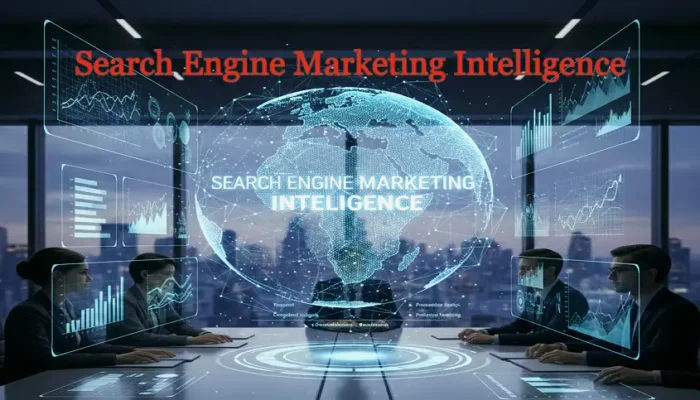
Search has changed more in the last five years than in the previous twenty. Brands that once relied purely on keywords and ad spending now recognize that success depends on something far more powerful: search engine marketing intelligence. This new approach blends deep data analysis, user behavior insights, competitive knowledge, and fast-moving trends from both organic and paid search. Add the rise of artificial intelligence search engine marketing, and businesses now have tools that can predict opportunities, personalize content, and optimize performance faster than any traditional marketer could do manually.
This article breaks down what search engine marketing intelligence really means, how AI fits into the picture, why it matters for businesses of all sizes, and how you can start using it today to improve rankings, conversions, and long-term visibility.
What Is Search Engine Marketing Intelligence?
Search engine marketing intelligence is the practice of collecting, analyzing, and interpreting data from search engines—both organic and paid—to make smarter marketing decisions. Instead of guessing which keywords work or reacting to sudden ranking drops, brands use intelligence systems to identify patterns, forecast demand, understand user intent, and uncover opportunities that competitors miss.
It goes beyond SEO and PPC techniques. It focuses on:
- How consumers behave when they search
- What motivates them to click or ignore results
- How much competition exists for specific keywords
- What shifts in search volume indicate about future demand
- Which ad messages convert better based on behavior patterns
- How search engines interpret content in real time
In simple terms, search engine marketing intelligence is the “brain” behind successful search campaigns. It guides content, bidding strategies, keyword targeting, and user experience improvements with precise reasoning—not assumptions.
Why Search Engine Marketing Intelligence Matters Today
Search engines are no longer static lists of blue links. Algorithms use machine learning, entity analysis, user signals, and context to determine the best result for every individual. This means competition is no longer just with other websites but also with personalized search environments.
Here’s why this matters:
1. User Intent Changes Faster
Searchers expect answers instantly, and their intent shifts depending on trends, seasonality, and real-time events. Search engine marketing intelligence helps brands stay updated without falling behind.
2. Search Engines Reward Relevance Over Keywords
Exact-match keyword strategies no longer guarantee results. Modern algorithms want topical authority, expertise, and content that solves real problems. Intelligence systems decode what “helpful” content looks like for each search.
3. Competition Is Global
Even small businesses compete with international brands. With intelligence, they can discover low-competition opportunities and hidden keyword segments that big brands overlook.
4. AI Is Changing How Search Works
Artificial intelligence search engine marketing—powered by predictive analytics and automation—helps businesses make decisions based on real data. AI-driven insights lead to better ad campaigns, higher organic visibility, and stronger return on investment.
In short, intelligence transforms search from a guessing game into a predictable growth engine.
The Rise of Artificial Intelligence Search Engine Marketing
AI has become a crucial driving force in how companies create, optimize, and scale their search strategies. Artificial intelligence search engine marketing uses machine learning, natural language processing, automation tools, and predictive algorithms to make faster, more accurate decisions across SEO and PPC.
Instead of teams analyzing hundreds of data points manually, AI tools can:
- Predict keyword performance
- Identify trending queries
- Understand user sentiment
- Optimize bidding in milliseconds
- Suggest content angles based on search intent
- Detect ranking issues early
- Analyze competitor movements in real time
AI doesn’t replace marketers—it enhances their capabilities by removing guesswork and accelerating decision-making.
How Search Engine Marketing Intelligence Works (Step-by-Step)
A robust intelligence system relies on the following process:
1. Data Collection
The foundation comes from gathering search data, including:
- Keyword trends
- Search volumes
- Click patterns
- User engagement
- Competitor rankings
- SERP features
- Paid search performance
This raw data becomes the building block for deeper insights.
2. Intent and Behavior Analysis
The system examines why users search, what they expect, and how they navigate through results. This answers critical questions such as:
- Are users researching or ready to buy?
- Do they prefer video, blogs, or product pages?
- Are searches rising due to seasonal spikes?
- What obstacles prevent them from converting?
Understanding intent is the key to designing effective content and ads.
3. Competitive Mapping
Search engine marketing intelligence analyzes competitor movements. It identifies:
- Keywords competitors are bidding on
- Pages that generate high engagement
- Weak spots in their strategy
- New opportunities in underserved search segments
This keeps your strategy proactive, not reactive.
4. Predictive Insights
Artificial intelligence search engine marketing uses historical data to forecast:
- Future keyword growth
- Conversion patterns
- Market demand shifts
- Cost-per-click fluctuations
- Content topics likely to rank
This prediction ability is what makes AI both powerful and cost-saving.
5. Actionable Optimization
The final stage converts insights into action:
- Optimizing content for topical depth
- Adjusting PPC bids based on performance
- Creating more relevant landing pages
- Building long-form content for authority
- Improving user experience
- Changing ad copy to match intent
The cycle continues as new data flows in, making the system smarter over time.
Core Components of Search Engine Marketing Intelligence

To build strong intelligence, businesses must focus on five essential areas:
1. Keyword Intelligence
Instead of relying on generic lists, intelligence gathers keywords based on:
- Real-time trends
- Seasonal spikes
- Competitor movements
- Natural language queries
- Long-tail opportunities
This ensures content aligns with exactly what users are searching for.
2. Audience Intelligence
This explores who the searchers are:
- Their demographics
- Their behaviors
- Their pain points
- Their buying readiness
Understanding the audience means you develop content that genuinely helps—not just ranks.
3. Competitive Intelligence
Competitive analysis identifies:
- Gaps in competitor content
- Weak landing pages
- Keywords with low competition
- Missing SERP features
These insights help you outperform competitors with fewer resources.
4. Content Intelligence
This ensures content matches search intent and EEAT standards:
- Expertise and accuracy
- Credible tone
- Problem-solving structure
- Answer-focused paragraphs
- Readability and UX
Content intelligence ensures that you maintain authority in your niche.
5. Performance Intelligence
This measures what truly works:
- Rankings
- Conversions
- Bounce rate
- Session duration
- CPC trends
- ROAS
Performance intelligence turns insights into measurable outcomes.
How Artificial Intelligence Search Engine Marketing Enhances Performance
AI strengthens every stage of the marketing cycle. Here’s how:
1. Smarter Keyword Discovery
AI tools uncover keyword variations, semantic clusters, and hidden opportunities that manual research cannot detect. It reads user intent and predicts future trends.
2. Automated Bidding in PPC
AI-powered bidding systems adjust bids in real time based on:
- Competition
- User device
- Time of day
- User intent level
This reduces wasted ad spend and increases conversions.
3. High-Quality Content Suggestions
AI analyzes top-performing content, user questions, and SERP structure to recommend:
- Heading formats
- Content length
- Missing topical areas
- Internal linking structure
It ensures content satisfies search engine expectations.
4. Better Personalization
AI tailors ads and content based on behavior signals, improving click-through rates and sales.
5. Real-Time Alerts
AI detects:
- Ranking drops
- Broken links
- Sudden spikes in competitor activity
- Keyword volatility
This allows immediate action before performance declines.
Read More: Local SEO Services by Garage2Global: Turning Local Searches into Real Customers
How Businesses Can Use Search Engine Marketing Intelligence Today
You don’t need enterprise-level budgets to get started. Even small businesses can implement an intelligence-driven approach using practical steps.
1. Build a Search Data Dashboard
Include:
- Keyword trends
- Competitor rankings
- Content gaps
- CPC fluctuations
- Best-performing landing pages
Even a simple dashboard provides immediate clarity.
2. Focus on High-Intent Keywords
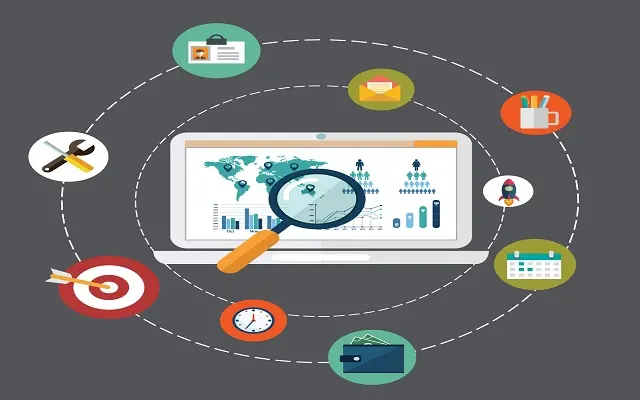
Search engine marketing intelligence helps find keywords tied to:
- Buying decisions
- Urgent needs
- Local intent
- Problem-solving queries
These convert faster and require less effort to rank.
3. Align Content With Search Intent
Build content around what users expect:
- How-to guides
- Comparison pages
- Reviews
- Product tutorials
- Case studies
This satisfies both AI-driven search engines and human readers.
4. Use AI Tools for Faster Optimization
Leverage AI for:
- Keyword clustering
- PPC bid automation
- Search trend forecasting
- Content audit recommendations
These tools speed up your learning curve.
5. Study Your Competitors’ Moves
Monitor their:
- Ranking improvements
- New landing pages
- Ad messages
- Keyword focus changes
Competitor intelligence prevents your strategy from becoming outdated.
Read More: SEO Experts at Garage2Global: A Real Partner in Digital Growth
Search Engine Marketing Intelligence for SEO vs. PPC
Understanding how intelligence applies differently to SEO and PPC helps marketers allocate resources more effectively and build a balanced strategy.
| Aspect | SEO Intelligence | PPC Intelligence |
| Focus | Organic rankings, topical authority | Paid ads, conversion optimization |
| Speed | Slow but long-term | Fast but cost-based |
| Tools | Search consoles, crawlers, content analytics | Bid automation, ad testing tools |
| Benefits | Free traffic, strong brand authority | Immediate leads, precise targeting |
| AI Role | Predictive rankings, content suggestions | Smart bidding, audience modeling |
Both sides are essential for a balanced strategy.
Real-World Examples of Intelligence-Driven Growth
These practical examples show how businesses use search engine marketing intelligence to unlock measurable improvements in visibility, conversions, and revenue.
1. A Local Business Increasing Conversions
By analyzing search behavior, a local service provider discovered that 70% of users searched from mobile during lunch breaks. They optimized mobile landing pages and adjusted PPC bids for those hours, improving conversions by 40%.
2. An E-commerce Brand Identifying Hidden Keywords
Search engine marketing intelligence revealed that customers searched product benefits, not product names. The brand updated content and ads accordingly, doubling CTR within months.
3. A SaaS Company Predicting Keyword Trends
Using AI, a SaaS company identified rising demand for specific features before competitors noticed. They published content early and ranked first, gaining long-term organic visibility.
The Future of Search Engine Marketing Intelligence
Looking ahead, intelligence will become even more automated, predictive, and behavior-driven. Expect:
- AI-powered search predictions
- More personalized SERPs
- Voice and visual search dominance
- Entity-based ranking models
- Real-time algorithm adaptation
- Search without traditional keywords
Artificial intelligence search engine marketing will evolve into a system that understands user needs before they even complete a query.
Conclusion
Search engine marketing intelligence has become the foundation of modern digital growth. Businesses that adopt it gain clearer direction, stronger visibility, and measurable competitive advantages. Combined with artificial intelligence search engine marketing, the future of search becomes smarter, faster, and more strategic.
By embracing intelligence-driven insights, brands can move beyond guesswork and create sustainable, long-term success in both SEO and PPC—no matter how quickly the digital landscape evolves.